
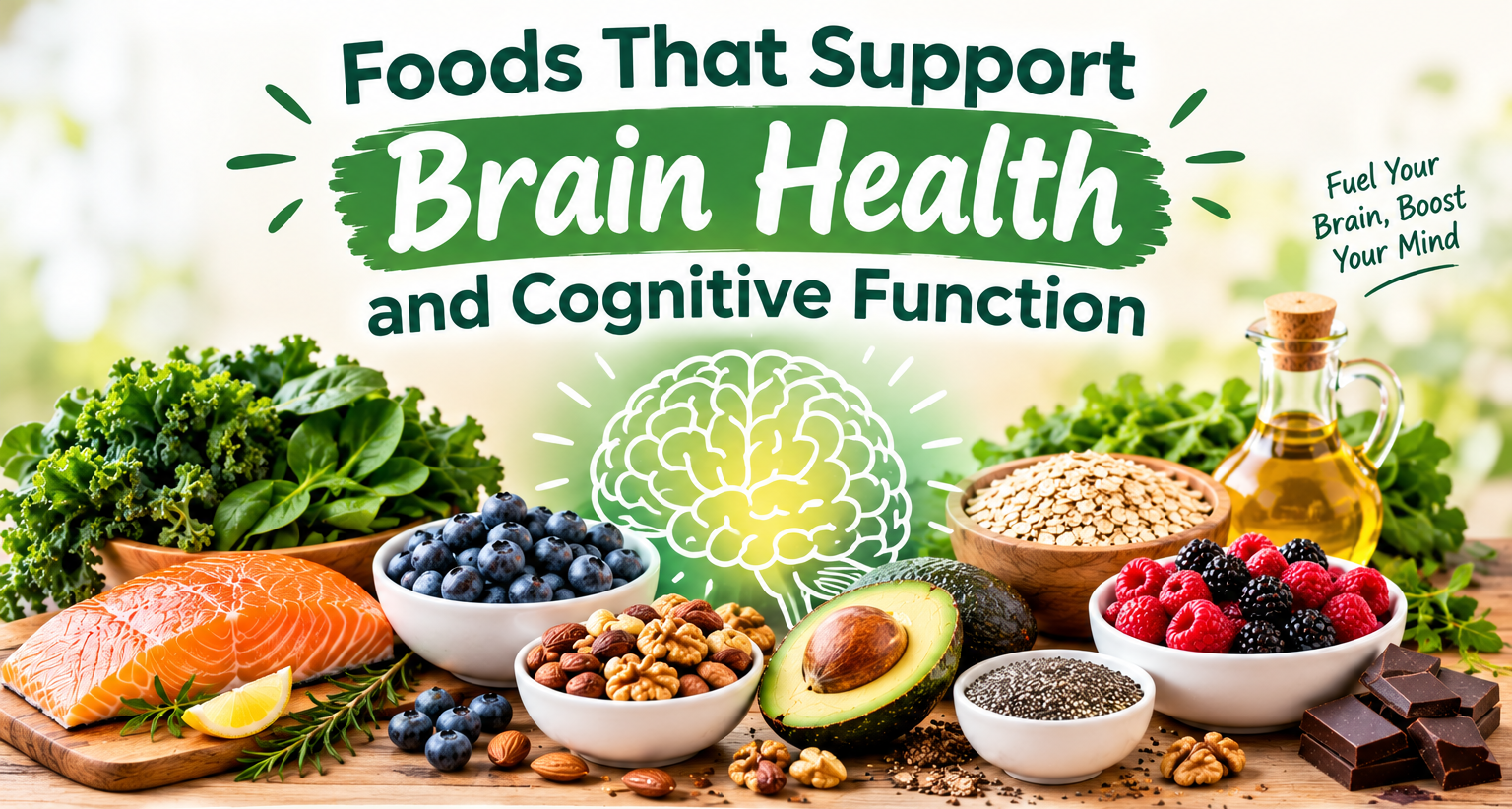
Your brain is one of the most energy demanding organs in your body. It controls movement, memory, learning, emotions, concentration and countless other essential functions. While factors such as age, genetics, sleep, physical activity and stress can influence brain health, nutrition also plays an important role.
Choosing the right foods that support brain health can help provide the nutrients your brain needs to function normally. A balanced diet rich in vegetables, fruits, whole grains, fish, nuts, seeds, legumes and healthy fats can provide vitamins, minerals, antioxidants and other nutrients associated with overall brain and cognitive health.
There is no single “superfood” that can guarantee better memory or prevent cognitive decline. Instead, long term dietary patterns matter most. A varied and nutrient rich diet can support the body’s overall health which in turn provides a foundation for healthy brain function.
In this guide, we’ll explore the best brain healthy foods, important nutrients for cognitive function, foods to limit and practical ways to build a diet that supports brain wellness.
What is Brain Health?
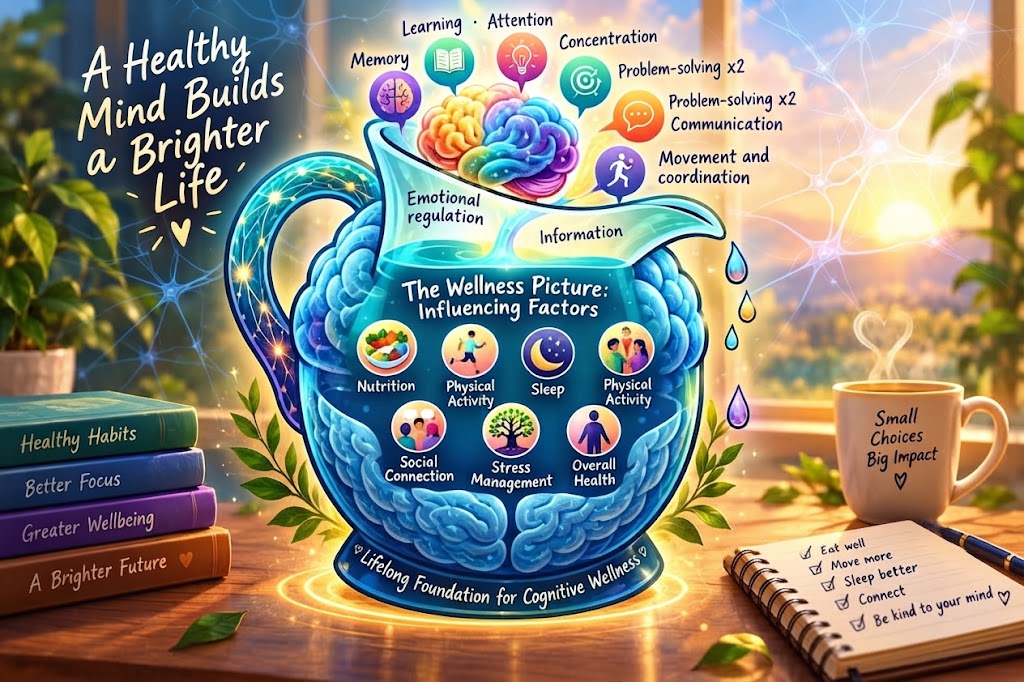
Brain health refers to the ability of the brain to perform important functions throughout life. These functions include:
- Memory
- Learning
- Attention
- Concentration
- Problem solving
- Communication
- Emotional regulation
- Movement and coordination
Brain health can be influenced by many factors. Nutrition is one piece of the picture, along with physical activity, sleep, social connection, stress management and overall health.
A nutritious diet cannot guarantee that someone will avoid cognitive problems but consistently eating a balanced diet can help provide essential nutrients needed for normal brain function.
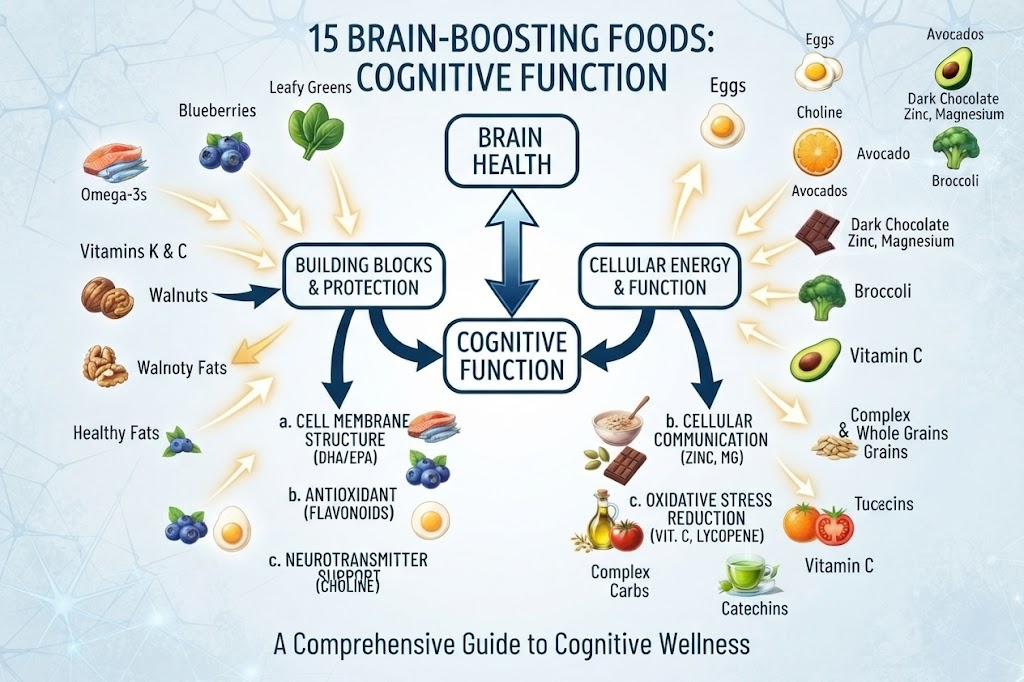
15 Foods That Support Brain Health and Cognitive Function
1. Fatty Fish
Fatty fish are among the most commonly recommended foods for a brain supportive diet.
Salmon, sardines, trout, mackerel, herring and similar fish provide omega-3 fatty acids including EPA and DHA. DHA is an important structural component of cell membranes including those found in the brain.
Fatty fish also provide high quality protein, vitamin B12, vitamin D, selenium and other nutrients.
Try including fish in meals such as:
- Grilled salmon with vegetables
- Sardine salad
- Baked trout with brown rice
- Mackerel with roasted vegetables
For people who eat seafood, regularly including a variety of fish can contribute to a nutrient rich eating pattern.
2. Blueberries
Blueberries are rich in vitamins, fiber and naturally occurring plant compounds called flavonoids.
Their deep color comes partly from compounds known as anthocyanins.
Berries can be an easy addition to a brain conscious diet because they are versatile and require little preparation.
Add blueberries to:
- Oatmeal
- Greek yogurt
- Smoothies
- Whole grain cereal
- Fruit salads
Other berries, including strawberries, blackberries and raspberries can provide additional variety.
3. Leafy Green Vegetables
Spinach, kale, broccoli leaves, collard greens and other leafy vegetables provide a wide range of nutrients.
They can provide:
- Folate
- Vitamin K
- Vitamin C
- Vitamin A
- Magnesium
- Carotenoids
- Dietary fiber
These vegetables can be eaten raw in salads or cooked in soups, curries, stir fries and omelets.
Try adding leafy greens to at least one meal each day as part of a broader plant rich diet.
4. Walnuts
Walnuts provide healthy unsaturated fats, fiber, protein, magnesium and plant based omega-3 fatty acids.
They can be an easy snack or a topping for other nutrient rich foods.
Try adding a small handful of walnuts to:
- Oatmeal
- Yogurt
- Salads
- Smoothie bowls
- Whole grain cereal
Other nuts, such as almonds, pistachios and hazelnuts can also provide valuable nutrients.
Because nuts are energy dense, moderate portions can fit easily into a balanced diet.
5. Eggs
Eggs provide high quality protein and several nutrients associated with normal brain function.
One particularly important nutrient found in eggs is choline. Choline is involved in the production of acetylcholine, a neurotransmitter involved in memory, learning, and other nervous system functions.
Eggs also provide vitamin B12, selenium, riboflavin and other nutrients.
Enjoy eggs boiled, scrambled, poached or incorporated into vegetable rich meals.
6. Avocados
Avocados are rich in monounsaturated fats and provide fiber, potassium, folate and other nutrients.
Healthy fats are important components of a balanced diet and can help make meals satisfying.
Try adding avocado to:
- Whole grain toast
- Salads
- Sandwiches
- Wraps
- Grain bowls
- Homemade dips
Pairing avocado with vegetables and whole grains can create a nutrient rich meal.
7. Dark Chocolate
Dark chocolate with a high cocoa content contains flavonoids and several minerals including magnesium and iron.
Cocoa derived flavonoids have been studied for their potential relationship with cardiovascular and cognitive health.
However, chocolate can also contain added sugar and saturated fat. For that reason, dark chocolate is best enjoyed in moderation.
Choose products with a relatively high cocoa content and pay attention to portion sizes.
8. Pumpkin Seeds
Pumpkin seeds are small but provide protein, healthy fats, magnesium, zinc, iron and other nutrients.
Magnesium is involved in numerous processes in the nervous system while zinc is important for normal cellular function.
Sprinkle pumpkin seeds over:
- Salads
- Oatmeal
- Yogurt
- Soups
- Roasted vegetables
Choose unsalted or lightly salted varieties when possible.
9. Oranges
Oranges are an excellent source of vitamin C and also provide fiber, folate, potassium and plant compounds.
Vitamin C contributes to normal nervous system function and helps protect cells from oxidative stress.
Whole oranges are generally a better everyday choice than fruit juice because the whole fruit contains fiber.
Other citrus fruits such as grapefruit, mandarins, lemons and limes can also add variety.
10. Broccoli
Broccoli is a nutrient rich cruciferous vegetable containing vitamin C, vitamin K, folate, fiber and several plant compounds.
Including broccoli and other cruciferous vegetables in your meals can increase the variety of nutrients in your diet.
Try broccoli:
- Steamed
- Roasted
- Stir fried
- Added to soups
- Mixed into grain bowls
Combining it with other colorful vegetables can make meals both nutritious and visually appealing.
11. Oats and Whole Grains
Whole grains such as oats, brown rice, barley, quinoa and whole wheat products provide complex carbohydrates and dietary fiber.
The brain uses glucose as an important energy source so carbohydrates remain a useful part of a balanced diet.
Whole grains provide a slower digesting source of carbohydrates than many refined grain products and also contribute vitamins, minerals and fiber.
Start your day with oatmeal topped with berries, walnuts and seeds for a nutrient rich breakfast.
12. Beans and Lentils
Beans, chickpeas and lentils are excellent sources of plant protein, fiber, folate, iron, magnesium and other nutrients.
Folate and several other B vitamins play important roles in normal nervous system function and metabolism.
Legumes can be incorporated into:
- Lentil soups
- Bean salads
- Vegetable curries
- Hummus
- Grain bowls
- Stews
They are also an affordable way to increase plant based protein intake.
13. Extra Virgin Olive Oil
Extra virgin olive oil is rich in monounsaturated fat and contains naturally occurring plant compounds.
It is commonly associated with Mediterranean style eating patterns which emphasize vegetables, fruits, legumes, whole grains, fish, nuts and healthy fats.
Use olive oil for:
- Salad dressings
- Vegetable dishes
- Marinades
- Grain bowls
- Light cooking
Replacing some sources of saturated fat with unsaturated fats can improve the overall nutritional profile of a diet.
14. Green Tea
Green tea contains naturally occurring compounds such as catechins and also provides caffeine and L-theanine.
Some research has investigated the relationship between tea consumption and cognitive function although drinking green tea should not be viewed as a treatment for cognitive problems.
Unsweetened green tea can be a low calorie beverage option.
If you’re sensitive to caffeine, consider limiting consumption later in the day.
15. Tomatoes
Tomatoes contain vitamin C, folate, potassium and carotenoids such as lycopene.
They can be eaten raw, cooked or incorporated into sauces and soups.
Including tomatoes alongside other colorful vegetables can help increase the overall diversity of plant compounds in your diet.
Important Nutrients for Brain Health
A brain supportive diet isn’t about one particular nutrient. Your brain requires a wide variety of nutrients to function normally.
Omega-3 Fatty Acids
Omega-3 fatty acids are found in fatty fish, walnuts, flaxseeds and chia seeds.
DHA is an important component of brain cell membranes.
People who eat fish can obtain EPA and DHA directly from seafood while plant foods such as flaxseeds and chia seeds provide alpha linolenic acid, another type of omega-3 fatty acid.
B Vitamins
B vitamins including folate, vitamin B6 and vitamin B12 are involved in energy metabolism and nervous system function.
Sources include:
- Eggs
- Fish
- Meat
- Dairy
- Leafy greens
- Beans
- Lentils
- Whole grains
- Fortified foods
People following restrictive diets may need to pay particular attention to certain B vitamins.
Antioxidants
Fruits and vegetables provide vitamin C, vitamin E, carotenoids, polyphenols and other compounds.
These nutrients and compounds can help protect cells from oxidative stress.
Rather than focusing on one antioxidant supplement, eating a wide range of colorful plant foods is a practical way to obtain many different compounds.
Choline
Choline is an essential nutrient involved in cell membranes and neurotransmitter production.
Eggs are one dietary source while other sources include meat, fish, dairy products, soy foods and certain vegetables.
Magnesium
Magnesium participates in hundreds of biochemical reactions in the body.
Good food sources include:
- Pumpkin seeds
- Almonds
- Cashews
- Spinach
- Beans
- Whole grains
- Dark chocolate
A varied diet can help provide adequate magnesium for most people.
How Diet Can Support Cognitive Function
Cognitive function depends on many biological processes.
The brain needs a continuous supply of energy and nutrients to maintain its normal activities.
A balanced diet can support:
Memory
Nutrients involved in normal nervous system function can contribute to the biological processes involved in memory.
Concentration
Eating balanced meals containing protein, fiber and nutrient rich carbohydrates can help provide sustained nutritional support throughout the day.
Brain Cell Function
Healthy fats, vitamins, minerals and protein contribute to normal cellular structure and function.
Healthy Aging
Long term dietary patterns rich in plant foods, whole grains, fish and healthy fats have been associated with overall health and may form part of a lifestyle that supports healthy aging.
Foods to Limit for Better Brain and Overall Health
A brain healthy diet isn’t only about what you add. It’s also useful to limit foods that can reduce overall diet quality when consumed excessively.
Highly Processed Foods
Many highly processed foods contain large amounts of refined carbohydrates, added sugars, sodium or unhealthy fats.
Examples include some packaged snacks, fast foods and heavily processed convenience foods.
These foods don’t need to be completely eliminated but they are generally better consumed less frequently.
Sugary Drinks
Soft drinks, sweetened juices, energy drinks and other sugary beverages can provide large amounts of added sugar without much nutritional value.
Choose water or unsweetened beverages more often.
Excessive Alcohol
High alcohol consumption can negatively affect overall health and the nervous system.
If you drink alcohol, follow current public health guidance and avoid excessive consumption.
Foods High in Trans Fats
Industrial trans fats are associated with adverse health effects and should be avoided where possible.
Check packaged food labels and choose foods based primarily on minimally processed ingredients.
How to Build a Brain Healthy Meal
Creating a nutritious meal doesn’t have to be complicated.
Try combining:
Vegetables: Spinach, broccoli, tomatoes, carrots, peppers or other colorful produce.
Protein: Fish, eggs, beans, lentils, poultry, tofu or yogurt.
Whole grains: Oats, brown rice, quinoa, barley or whole grain bread.
Healthy fats: Olive oil, avocado, walnuts, chia seeds or flaxseeds.
For example, a brain-supporting dinner could include grilled salmon, roasted broccoli, brown rice and a leafy green salad dressed with olive oil.
A vegetarian option could include lentil curry, spinach, tomatoes, brown rice and a small portion of avocado.
Simple Tips to Improve Your Brain Healthy Diet
Eat More Colorful Plants
Try to include several colors of fruits and vegetables throughout the week.
Include Fish Regularly
If you eat seafood, include fatty fish as part of a balanced diet.
Choose Whole Grains
Replace some refined grains with oats, brown rice, barley, quinoa or whole wheat products.
Snack on Nuts and Seeds
Small portions of walnuts, almonds, pumpkin seeds or chia seeds can provide healthy fats and minerals.
Stay Hydrated
Water is essential for normal body and brain function. Drink regularly throughout the day.
Avoid Skipping Balanced Meals
Regular meals containing protein, fiber, healthy fats and nutrient rich carbohydrates can help support consistent energy intake.
Lifestyle Habits That Also Support Brain Health
Nutrition is only one part of cognitive wellness.
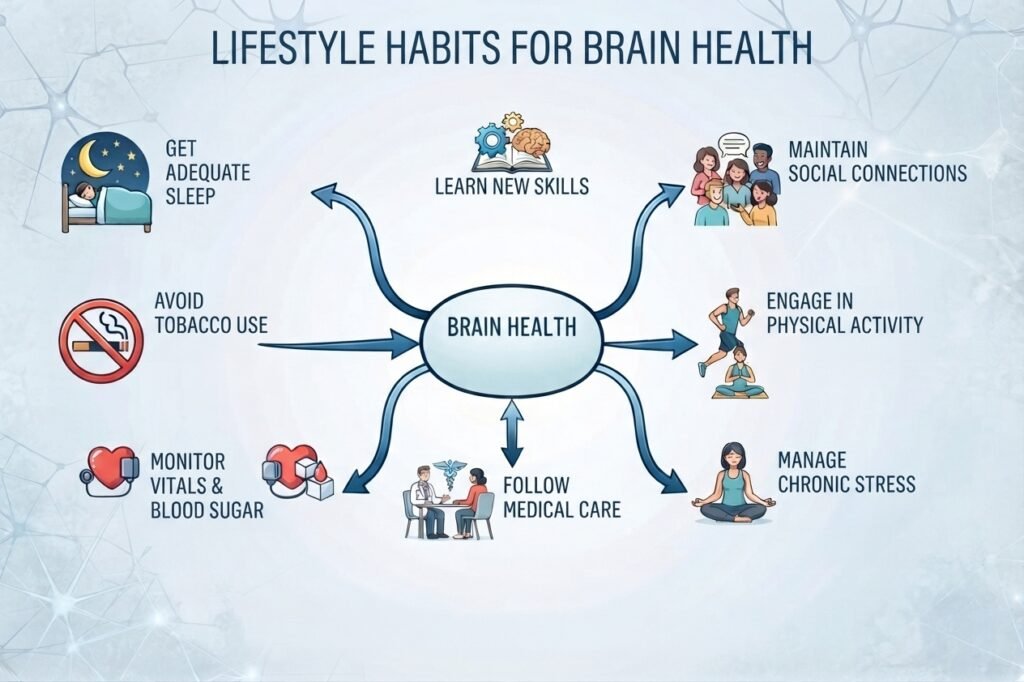
Other important lifestyle habits include:
- Getting adequate sleep
- Engaging in regular physical activity
- Maintaining social connections
- Learning new skills
- Managing chronic stress
- Avoiding tobacco
- Maintaining healthy blood pressure and blood sugar
- Following appropriate medical care
These factors work together and no food can replace healthy lifestyle habits or medical treatment.
Frequently Asked Questions
What are the best foods for brain health?
There isn’t one single best food. Fatty fish, berries, leafy greens, nuts, seeds, eggs, whole grains, beans, vegetables and healthy oils can all contribute important nutrients to a brain supportive eating pattern.
Which fruit is best for brain health?
Berries are frequently included in brain healthy dietary patterns because they provide fiber, vitamin C and flavonoids. However, other whole fruits such as oranges, apples and citrus fruits can also contribute valuable nutrients.
Is fish good for the brain?
Fatty fish provides omega-3 fatty acids including DHA, as well as protein and other nutrients. Including fish as part of a balanced diet can therefore contribute to overall nutritional support for brain health.
Are eggs good for cognitive function?
Eggs provide choline, vitamin B12, protein and other nutrients involved in normal nervous system function. They can be part of a balanced diet that supports overall health.
Does food improve memory?
No, individual food can guarantee improved memory. However, adequate nutrition supports the normal functioning of the brain and a balanced diet is one component of a healthy lifestyle.
Can diet prevent dementia?
There is no food or diet that guarantees prevention of dementia. Research continues to examine how dietary patterns, cardiovascular health, physical activity and other lifestyle factors relate to cognitive health and healthy aging.
Conclusion
Choosing foods that support brain health is an important part of building a nutritious lifestyle. The brain requires a steady supply of energy, protein, healthy fats, vitamins, minerals and other nutrients to perform its many functions.
Fatty fish, berries, leafy greens, walnuts, eggs, avocados, pumpkin seeds, whole grains, beans, lentils, olive oil, vegetables and other nutrient rich foods can provide many of these essential nutrients.
Rather than relying on a single “brain food” focus on your overall dietary pattern. Eat a variety of colorful fruits and vegetables including whole grains and legumes, choose healthy sources of protein, consume beneficial fats and limit excessive amounts of highly processed foods and added sugars.
A brain healthy diet also works best when combined with other healthy habits. Regular physical activity, quality sleep, stress management, social engagement and appropriate medical care all contribute to overall cognitive and physical wellness.
Ultimately, nutrition for brain health is about consistency and variety. You don’t need a perfect diet or expensive ingredients. Simple foods such as oats, beans, leafy greens, eggs, berries, nuts, seeds, fish and vegetables can form the foundation of an eating pattern that supports your brain and overall health throughout life.
7 Responses
[…] brain and nervous system contain significant amounts of fat. Certain fatty acids, particularly omega-3 fatty acids play […]
[…] Healthy brain aging involves much more than one beverage. Regular physical activity, adequate sleep, social engagement, managing cardiovascular risk factors and eating a nutrient rich diet all matter. […]
[…] have also investigated curcumin in relation to brain health and cognitive […]
[…] Calcium plays a role in communication between nerve cells and contributes to normal nervous system function. […]
[…] Adequate dietary intake is therefore part of maintaining normal nervous system function. […]
[…] Eating fish and other nutrient rich foods as part of an overall balanced diet is one way to support nutritional needs associated with brain health. […]
[…] brain requires a consistent supply of nutrients and […]