

Your digestive system does much more than break down the food you eat. It helps your body absorb nutrients, supports immune function, interacts with the trillions of microorganisms living in your digestive tract and plays an important role in overall wellness.
For this reason, choosing the best foods for gut health can be an important part of maintaining a healthy lifestyle. A balanced diet rich in fiber, whole grains, fruits, vegetables, legumes, fermented foods and other nutrient dense ingredients can support healthy digestion and provide nourishment for the gut microbiome.
On the other hand, diets that are consistently high in highly processed foods, added sugars and excessive amounts of saturated fat may make it harder to maintain a balanced eating pattern.
The good news is that supporting digestive health doesn’t require an expensive diet or complicated recipes. Many everyday foods can contribute to a healthy gut.
In this guide, we’ll explore the best gut healthy foods, how they support digestion, the role of fiber and probiotics, foods that may be worth limiting and practical tips for building a diet that supports better digestive health.
What is Gut Health?
Gut health generally refers to the condition and functioning of your gastrointestinal tract and the community of microorganisms living within it.
Your digestive system includes the mouth, esophagus, stomach, small intestine, large intestine and other organs involved in digestion.
The gut microbiome is made up of bacteria and other microorganisms that interact with the digestive environment.
A healthy digestive system should be able to:
- Digest food effectively
- Absorb nutrients
- Move food through the gastrointestinal tract
- Maintain a healthy intestinal environment
- Interact appropriately with the immune system
Gut health can be influenced by diet, physical activity, sleep, stress, medications, age, genetics and other factors.
Why Does Gut Health Matter?
The digestive system plays a central role in nutrition.
If digestion and absorption aren’t functioning properly, the body may have difficulty obtaining the nutrients it needs.
The gut also interacts closely with the immune system and contains a diverse community of microorganisms.
Dietary fiber and other components of plant foods can influence the gut microbiome which is one reason a varied diet is important.
However, gut health is highly individual. A food that feels comfortable for one person may cause digestive symptoms in another.
15 Best Foods for Gut Health
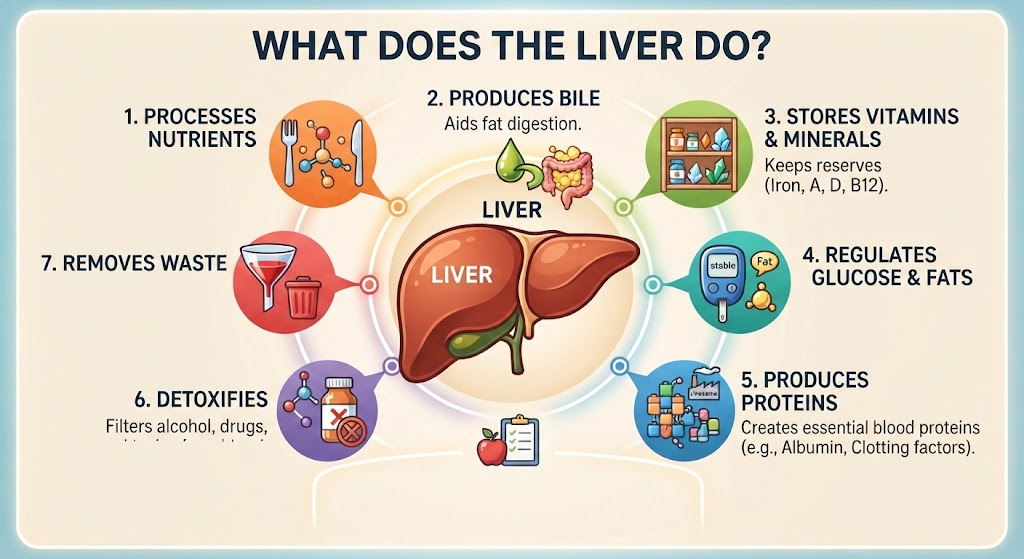
1. Yogurt With Live Cultures
Yogurt is one of the most familiar fermented foods.
Certain yogurts contain live microorganisms that can contribute to the microbial environment of the digestive tract.
Yogurt also provides protein, calcium, vitamin B12 and other nutrients.
When choosing yogurt, look for products labeled as containing live cultures and check the nutrition label for added sugar.
You can combine plain yogurt with:
- Berries
- Bananas
- Oats
- Chia seeds
- Walnuts
This creates a simple, nutrient rich breakfast or snack.
2. Kefir
Kefir is a fermented milk drink that can contain a variety of microorganisms.
It provides protein, calcium and other nutrients while offering another way to include fermented foods in your diet.
Kefir can be enjoyed on its own or added to smoothies.
If you don’t consume dairy, some plant based fermented alternatives may be available although their nutritional content varies.
3. Oats
Oats are an excellent source of dietary fiber including soluble fiber and beta glucan.
Fiber supports normal bowel function and can contribute to a healthy gut environment.
Oatmeal can be topped with:
- Berries
- Apples
- Chia seeds
- Ground flaxseed
- Nuts
- Plain yogurt
This combination provides fiber from several sources along with protein and healthy fats.
4. Bananas
Bananas provide carbohydrates, potassium, vitamin B6 and dietary fiber.
They are convenient, affordable and easy to digest for many people.
Slightly green bananas contain resistant starch, a type of carbohydrate that can act as a substrate for gut microorganisms.
However, individual tolerance varies and some people may experience digestive discomfort from certain amounts of fruit.
5. Apples
Apples contain fiber, particularly pectin, a type of soluble fiber.
Fiber can support regular bowel movements and contribute to a healthy digestive environment.
Eat apples whole rather than relying primarily on apple juice to benefit from their natural fiber.
You can also slice apples into oatmeal or pair them with nut butter for a satisfying snack.
6. Berries
Berries such as blueberries, raspberries, strawberries and blackberries provide fiber and a variety of naturally occurring plant compounds.
Their fiber content can contribute to overall digestive health.
Add berries to:
- Yogurt
- Oatmeal
- Smoothies
- Salads
- Whole grain breakfast bowls
Using different fruits throughout the week increases dietary variety.
7. Beans
Beans are excellent sources of dietary fiber and plant based protein.
Black beans, kidney beans, chickpeas, navy beans and other varieties can contribute to a high fiber eating pattern.
Fiber passes through parts of the digestive system and can be utilized by microorganisms in the colon.
However, suddenly eating large amounts of beans may cause gas or bloating in some people.
Increase portions gradually and give your digestive system time to adapt.
8. Lentils
Lentils are another excellent source of fiber, plant protein, folate, iron and other nutrients.
They can be used in:
- Soups
- Curries
- Stews
- Salads
- Grain bowls
- Vegetable dishes
Like beans, lentils can sometimes cause gas when introduced suddenly. Gradually increasing intake can help.
9. Chia Seeds
Chia seeds provide substantial amounts of fiber along with protein, healthy fats and minerals.
Their ability to absorb water gives them a gel-like texture, which makes them useful in overnight oats and homemade puddings.
Add a small amount to yogurt, smoothies, oatmeal or cereal.
If you’re increasing your fiber intake, drink enough fluids to support comfortable digestion.
10. Flaxseeds
Ground flaxseeds contain fiber, plant based omega-3 fatty acids and other nutrients.
They can be added to oatmeal, smoothies, yogurt or whole grain baked goods.
Ground flaxseed is generally easier to incorporate into meals than whole seeds.
Start with modest amounts and increase gradually if your digestive system tolerates them well.
11. Leafy Green Vegetables
Spinach, kale, lettuce, Swiss chard and other leafy greens provide fiber, vitamins, minerals and plant compounds.
They can contribute to overall digestive health when included as part of a varied diet.
If raw vegetables cause discomfort try cooked greens instead. Cooking can make certain vegetables easier for some people to tolerate.
12. Broccoli
Broccoli is a cruciferous vegetable that provides fiber, vitamin C, vitamin K, folate and plant compounds.
It can be steamed, roasted, stir fried or added to soups.
Other cruciferous vegetables such as cauliflower, cabbage and Brussels sprouts can also contribute to a diverse vegetable intake.
Some people are sensitive to these vegetables and may experience gas so individual tolerance matters.
13. Sauerkraut
Sauerkraut is fermented cabbage and can contain live microorganisms when it has not been pasteurized after fermentation.
It also provides fiber and nutrients from cabbage.
When buying sauerkraut check the label and consider refrigerated varieties that contain live cultures.
Because fermented vegetables can contain significant amounts of sodium, portion size may matter for people trying to reduce sodium intake.
14. Kimchi
Kimchi is a traditional Korean fermented vegetable dish commonly made with cabbage, radishes, spices and other ingredients.
It can provide fiber and microorganisms associated with fermentation.
Kimchi is often high in sodium and may be spicy, so it may not be suitable for everyone.
A small serving can be added to rice dishes, eggs, vegetables or other meals.
15. Whole Grains
Whole grains such as brown rice, barley, oats, whole wheat bread and quinoa provide dietary fiber and other nutrients.
Regularly including whole grains can increase overall fiber intake.
If you currently eat mostly refined grains, try replacing one serving at a time with a whole grain alternative.
The Importance of Fiber for Gut Health
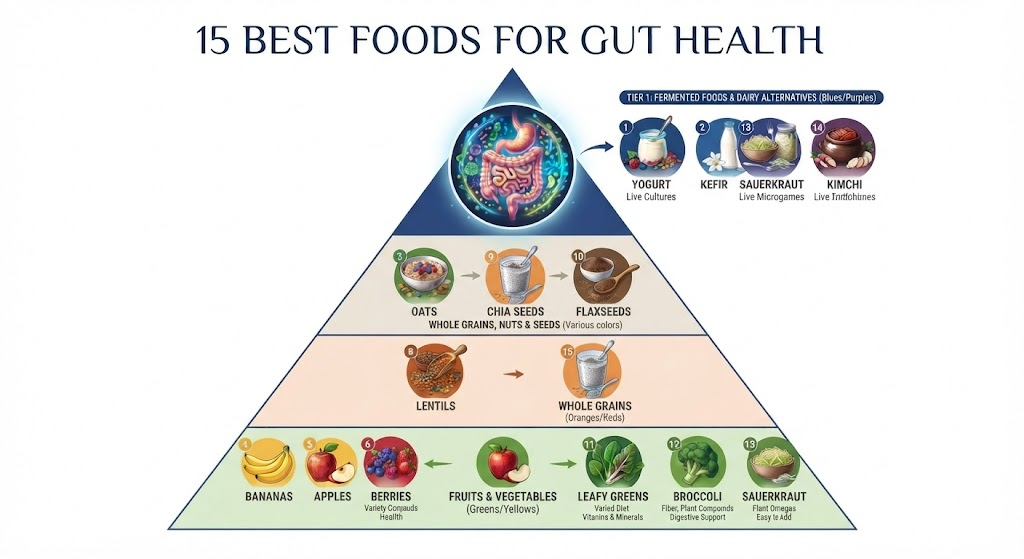
One of the most important dietary components for digestive health is fiber.
Fiber is a type of carbohydrate that the body doesn’t fully digest.
It can be divided broadly into soluble and insoluble fiber although many foods contain both.
Soluble Fiber
Soluble fiber can absorb water and form a gel-like substance.
Sources include:
- Oats
- Barley
- Apples
- Beans
- Lentils
- Chia seeds
Insoluble Fiber
Insoluble fiber helps add bulk to stool and can support normal bowel movements.
Sources include:
- Whole grains
- Vegetable skins
- Nuts
- Seeds
- Many vegetables
Eating a mixture of fiber sources is generally more useful than focusing on one type.
What are Prebiotics?
Prebiotics are substances that can be used by microorganisms in the digestive tract.
Many prebiotic compounds are found naturally in plant foods.
Examples include foods containing certain types of dietary fiber and resistant starch.
Potential prebiotic rich foods include:
- Onions
- Garlic
- Leeks
- Asparagus
- Bananas
- Oats
- Beans
- Lentils
Including a variety of plant foods can increase exposure to different types of fibers and other compounds.
What are Probiotics?
Probiotics are live microorganisms that when consumed in adequate amounts and under appropriate conditions can provide health benefits.
They can be found in certain fermented foods and dietary supplements.
Examples of foods that may contain live microorganisms include:
- Yogurt with live cultures
- Kefir
- Some fermented vegetables
- Certain fermented soy foods
Not every fermented food contains probiotics and the effects of specific strains can vary.
For this reason fermented foods should be viewed as one component of a healthy diet rather than a guaranteed solution for digestive problems.
Foods to Limit for Better Digestion
While adding healthy foods is important, it can also help to reduce foods that may negatively affect overall dietary quality.
Highly Processed Foods
Many highly processed foods are high in added sugar, sodium, refined carbohydrates or unhealthy fats.
Examples include certain packaged snacks, fast foods and heavily processed convenience meals.
Eating these foods occasionally can fit into a balanced diet but they are generally better kept as a smaller part of your overall eating pattern.
Excessive Added Sugar
Large amounts of added sugar can contribute unnecessary calories and may affect overall diet quality.
Choose whole fruits more often than heavily sweetened fruit products.
Excessive Alcohol
Alcohol can affect the gastrointestinal tract and overall health particularly when consumed excessively.
If you drink, follow relevant health guidance and avoid excessive intake.
Very Fatty Meals
Large amounts of high fat foods may cause digestive discomfort in some individuals.
If you experience symptoms after fatty meals, consider smaller portions and discuss persistent symptoms with a healthcare professional.
How to improve Gut Health Naturally
Improving digestive health doesn’t require making dramatic changes.
Increase Fiber Gradually
If your current diet is low in fiber, increase your intake slowly.
Suddenly consuming large amounts of beans, whole grains and vegetables can cause bloating and gas.
Drink Enough Water
Fiber works best when paired with adequate fluid intake.
Water helps support normal digestive processes and can help prevent constipation.
Eat a Variety of Plant Foods
Different plant foods contain different types of fiber and plant compounds.
Try to eat a mixture of fruits, vegetables, whole grains, legumes, nuts and seeds.
Include Fermented Foods
Yogurt, kefir, kimchi and fermented vegetables can add variety to your diet.
Choose products that fit your nutritional needs and tolerance.
Eat Regularly
Consistent meal patterns may help some people maintain comfortable digestion.
However, individual needs vary and there is no universal ideal meal schedule.
Chew Food Thoroughly
Digestion begins in the mouth. Eating slowly and chewing thoroughly can make meals more comfortable for some people.
Sample Gut Healthy Meal Plan
Breakfast
Oatmeal topped with banana, berries, chia seeds and plain yogurt.
Lunch
A lentil and vegetable bowl with spinach, tomatoes, carrots, brown rice and olive oil based dressing.
Snack
An apple with a small portion of almonds.
Dinner
Grilled fish with roasted broccoli, sweet potato and a side salad.
Optional Fermented Food
A small serving of kimchi or fermented vegetables can be added if tolerated.
This is only an example. A healthy digestive diet can include many different foods depending on culture, budget, preferences, allergies and individual nutritional needs.
Is a High Fiber Diet Right for Everyone?
Fiber is important for digestive health but more isn’t always better for everyone.
People with certain digestive disorders or sensitivities may need individualized dietary adjustments.
Some people may experience increased bloating, gas, abdominal discomfort or changes in bowel habits when they significantly increase fiber.
If you have persistent digestive symptoms, speak with a healthcare professional rather than eliminating large numbers of foods on your own.
When Should You See a Doctor About Digestive Problems?
Occasional bloating or changes in bowel habits can happen to anyone. However, persistent or severe digestive symptoms deserve professional attention.
Seek medical advice if you experience ongoing:
- Abdominal pain
- Persistent diarrhea
- Chronic constipation
- Unexplained weight loss
- Blood in the stool
- Repeated vomiting
- Significant or worsening digestive symptoms
These symptoms can have many possible causes and should not automatically be attributed to diet or gut microbiome problems.
Frequently Asked Questions
What are the best foods for gut health?
High fiber plant foods such as fruits, vegetables, beans, lentils, whole grains, nuts and seeds are excellent foundations for a gut friendly diet. Fermented foods such as yogurt and kefir can also be included if tolerated.
What food improves digestion?
There is no single food that improves digestion for everyone. Fiber rich foods, adequate fluids and a varied diet can support normal digestive function.
Is yogurt good for gut health?
Yogurt containing live cultures can be part of a healthy diet and provides protein and calcium. Choose products with live cultures and moderate amounts of added sugar.
Are bananas good for digestion?
Bananas provide fiber and resistant starch particularly when they are less ripe. They can be a convenient part of a balanced diet although individual tolerance varies.
How can I improve gut health quickly?
There is no guaranteed overnight solution. Gradually increasing fiber, eating a wider variety of plant foods, staying hydrated, getting regular physical activity, sleeping well and limiting highly processed foods can support long term digestive health.
Are probiotics necessary for everyone?
No, Many people can support a healthy gut through a varied diet without taking probiotic supplements. Specific probiotics may be useful in certain situations but their benefits depend on the strain and individual circumstances.
Conclusion
Choosing the best foods for gut health starts with building a varied, fiber rich, nutrient dense eating pattern. Fruits, vegetables, beans, lentils, whole grains, nuts, seeds and other plant foods provide different types of fiber and nutrients that can support normal digestion and contribute to a healthy gut environment.
Fermented foods such as yogurt with live cultures, kefir, kimchi and certain fermented vegetables can also add variety to a gut friendly diet. However, no single food or probiotic product is a universal solution for digestive health.
For better digestion, focus on gradual and sustainable changes. Increase fiber slowly, drink enough water, eat a variety of plant foods, include appropriate fermented foods and limit excessive amounts of highly processed foods and added sugars.
It’s also important to remember that gut health is highly individual. Foods that work well for one person may cause discomfort for another. If you experience persistent pain, significant bloating, chronic diarrhea or constipation, unexplained weight loss, blood in the stool or other concerning symptoms consult a healthcare professional.
Ultimately, a healthy gut diet is not about following a restrictive list of “perfect” foods. It’s about creating a balanced and sustainable eating pattern that provides your digestive system with the fiber, nutrients, fluids and variety it needs. By making small improvements to your everyday meals, you can build habits that support better digestion and contribute to overall wellness.
8 Responses
[…] Vitamin C is needed for collagen synthesis making vitamin C rich foods an important part of a balanced diet. […]
[…] how fiber rich foods support digestion and overall health can help you make better food choices and build a balanced eating […]
[…] gut microbiome refers to the community of microorganisms living in your digestive tract. These include bacteria […]
[…] Ginger has a long history of culinary and traditional use for digestive comfort. […]
[…] distinction between whole and refined carbohydrate foods can be more useful than simply labeling carbohydrates as “good” or […]
[…] Your digestive tract is home to a complex community of bacteria and other microorganisms. Collectively these microorganisms are commonly referred to as the gut microbiome. […]
[…] foods such as chia seeds, flaxseeds, walnuts, hemp seeds and canola oil contain […]
[…] Curcumin and turmeric have also been investigated for their potential effects on gastrointestinal processes and inflammatory conditions of the digestive system. […]